
-
-
Contact us
Tel: +86-592-5903050
E-mail: solar@emperysolar.com
Add: Room 611, Quanyutong Business center, No.368,Xianhou She, Huli Districts. Xiamen, China.
-
-



-
 Language

Regulatory Considerations for Ground Mount Solar Farm Structures: A Comprehensive Guide
Classification:
knowledge
Time:
2026-02-27
Regulatory Considerations for Ground Mount Solar Farm Structures
Introduction to Ground Mount Solar Farms
Ground mount solar farms have emerged as a leading solution in harnessing solar energy effectively. These installations require careful planning, especially regarding regulatory compliance. Understanding the various regulatory considerations is crucial for stakeholders, from developers to engineers, to ensure that their projects not only meet legal standards but also function optimally within the designated environments.
Understanding Regulatory Frameworks
Navigating the regulatory landscape for ground mount solar farms can be daunting. Regulations often vary by region, and they encompass a wide range of considerations, including land use, environmental impact, and safety standards. Typically, these regulations are guided by federal, state, and local laws, often requiring a multi-faceted approach to compliance.
Federal Regulations Affecting Solar Farm Structures
At the federal level, agencies such as the U.S. Department of Energy (DOE) and the Federal Energy Regulatory Commission (FERC) play pivotal roles in guiding solar energy projects. Key federal regulations include:
- **National Environmental Policy Act (NEPA)**: This act mandates environmental assessments for projects that involve federal funding or permits.
- **Endangered Species Act (ESA)**: Projects must consider potential impacts on threatened or endangered species and their habitats.
Understanding these regulations is essential for project developers as they lay the groundwork for compliance.
State-Level Regulations and Incentives
Each state has its own set of regulations governing solar farm installations. These can include zoning laws, permitting processes, and incentives for renewable energy projects. For example:
- **Zoning Regulations**: States may require special zoning permits for solar farms, considering factors such as land use and community input.
- **Renewable Energy Standards**: Many states have renewable portfolio standards (RPS) that mandate a certain percentage of energy generation from renewable sources, incentivizing solar developments.
Staying informed about state-specific regulations can significantly impact the project's feasibility and timeline.
Local Regulations and Permitting
Local governments often have the most direct influence on solar farm installations. This can include:
- **Building Permits**: Local jurisdictions typically require building permits for solar installations, ensuring compliance with local building codes and safety standards.
- **Land Use Planning**: Local land use authorities assess the project’s compatibility with existing land uses and community plans, which can lead to public hearings or community engagement sessions.
Understanding local regulations is crucial, as they can differ significantly from state and federal regulations.
Environmental Considerations and Compliance
Environmental impacts are a significant focus of regulatory assessments for solar farms. Developers must address potential ecological concerns to secure the necessary permits.
Environmental Impact Assessments (EIA)
An Environmental Impact Assessment is often required to evaluate the potential effects of a solar project on the surrounding environment. This includes:
- **Wildlife and Habitat Assessment**: Analyzing impacts on local wildlife and their habitats.
- **Soil and Water Quality**: Assessing risks to soil stability and water resources, particularly in areas prone to erosion.
A thorough EIA not only satisfies regulatory requirements but also enhances community acceptance of solar projects.
Mitigation Strategies
When potential environmental impacts are identified, developers may need to implement mitigation strategies, which can include:
- **Buffer Zones**: Establishing buffer zones to protect sensitive habitats.
- **Sustainable Practices**: Utilizing sustainable materials and construction practices to minimize environmental footprints.
These strategies can help in meeting regulatory requirements while promoting sustainability.
Safety Standards for Ground Mount Solar Installations
Safety is paramount in the design and installation of ground mount solar structures. Adhering to safety standards not only ensures compliance but also protects workers and the public.
OSHA Regulations
The Occupational Safety and Health Administration (OSHA) sets forth regulations that govern the safety practices of construction sites, including solar farms. Key considerations include:
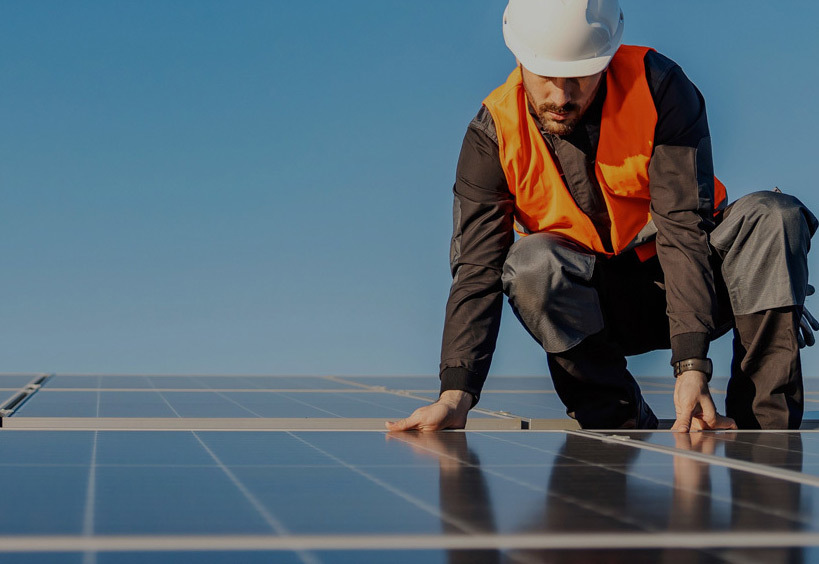
- **Fall Protection**: Ensuring proper fall protection measures are in place for workers during installation.
- **Electrical Safety**: Compliance with electrical safety standards to prevent hazards related to high-voltage equipment.
Fostering a culture of safety within solar projects contributes significantly to regulatory compliance.
Best Practices for Safety Compliance
Implementing best practices can bolster safety and compliance, such as:
- **Regular Training**: Providing ongoing safety training for all workers involved in solar installations.
- **Safety Audits**: Conducting regular safety audits to identify and rectify potential hazards.
These practices help maintain a safe working environment and reduce the likelihood of regulatory infractions.
Financial and Insurance Considerations
Navigating the financial landscape of solar farm projects requires understanding the insurances and financial incentives available.
Insurance Requirements
Developers must carry specific insurance policies to cover potential liabilities, including:
- **General Liability Insurance**: Covers injuries and damages that may occur during construction.
- **Workers' Compensation Insurance**: Required to cover employee injuries sustained on the job site.
Understanding insurance requirements is vital for protecting investments and ensuring compliance.
Financial Incentives for Solar Projects
Numerous financial incentives are available to solar project developers, including:
- **Federal Investment Tax Credit (ITC)**: A significant tax credit that allows developers to deduct a percentage of the installation costs from federal taxes.
- **State Grants and Rebates**: Various states offer grants and rebates to encourage renewable energy projects, thereby easing financial burdens.
Leveraging these incentives can improve project feasibility and compliance.
Community Engagement and Regulatory Compliance
Engaging with the community is a critical component of successful solar farm projects.
Importance of Public Participation
Engaging with local stakeholders helps address community concerns and fosters transparency. This can include:
- **Public Hearings**: Hosting public hearings to gather input on project plans.
- **Community Meetings**: Organizing community meetings to discuss project details, timelines, and benefits.
Such engagement can lead to smoother permitting processes and increased community support.
Building Positive Relationships
Building relationships with community members can significantly influence project outcomes. Strategies include:
- **Transparency**: Being open about project goals and expected impacts.
- **Addressing Concerns**: Actively listening to and addressing community concerns can mitigate opposition and enhance project acceptance.
Strong community relationships contribute not only to regulatory compliance but also to the overall success of the solar project.
Conclusion
In conclusion, understanding the regulatory considerations for ground mount solar farm structures is essential for successful project development. From navigating federal and state regulations to addressing environmental impacts and ensuring safety compliance, developers must take a comprehensive approach. Engaging with local communities and leveraging financial incentives can enhance project feasibility and acceptance. As the demand for renewable energy continues to rise, a thorough understanding of these regulatory frameworks will be critical in driving the success of ground mount solar farms. By staying informed and proactive, stakeholders can ensure their solar projects are compliant, sustainable, and well-received by the communities they serve.
FAQs
1. What are the primary regulations governing ground mount solar farms?
Major regulations include NEPA, ESA, state zoning laws, and local building codes.
2. How do I conduct an Environmental Impact Assessment?
An EIA typically involves assessing potential environmental effects and proposing mitigation strategies, often requiring professional expertise.
3. What safety standards must be adhered to during construction?
Developers must comply with OSHA regulations, focusing on fall protection and electrical safety measures.
4. Are there financial incentives available for solar farm projects?
Yes, federal tax credits and state-specific grants or rebates are often available for renewable energy projects.
5. Why is community engagement important for solar projects?
Community engagement fosters transparency, addresses concerns, and can lead to greater project acceptance and smoother regulatory processes.
Related News

Contact us
Room 611, Quanyutong Business center, No.368, Xianhou She, Huli Districts. Xiamen, China.
Copyright © 2026 Xiamen Empery Solar Technology Co., Ltd. All rights reserved.